Luxury Prague Apartments


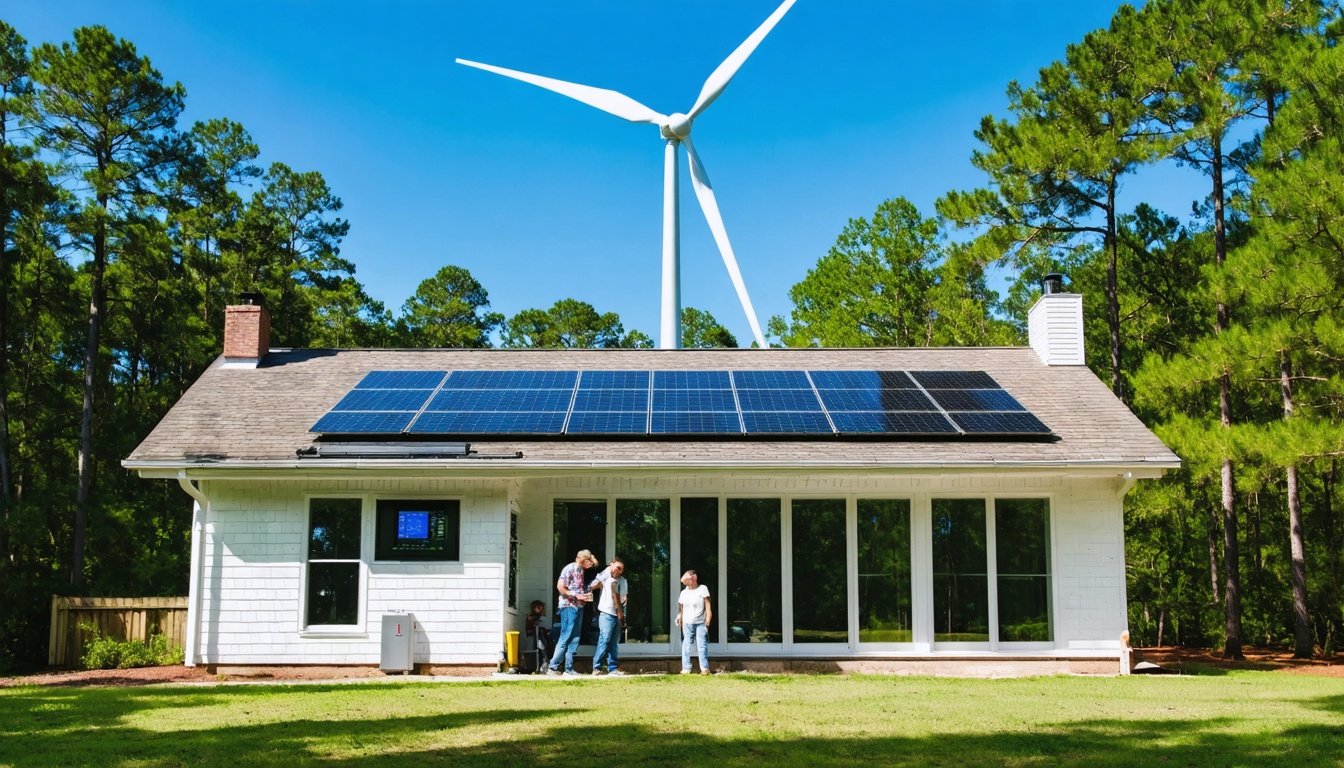
What a More Resilient Home Energy Plan Looks Like in South Carolina
When assessing how to improve the reliability and affordability of energy use in South Carolina, it is essential to consider the influence of emerging technologies and policy reforms. The growing interest in smart grids, solar energy, and community-based energy solutions indicates a shift in how households can manage energy consumption. It is important to analyze how these options can enhance household comfort while also affecting the broader community. Before making decisions regarding energy solutions, homeowners should evaluate several key factors, including potential challenges associated with new technologies, the availability of incentives for renewable energy installations, and the need for effective partnerships with local utilities and energy providers. Smart grids, for instance, enhance energy distribution efficiency and reliability, but their implementation may require significant infrastructure updates and user education. Solar power can offer cost savings and environmental benefits, yet initial installation costs and local regulations can be barriers that need careful consideration. Community-driven energy initiatives can foster local resilience but often depend on collaborative efforts among residents and stakeholders. In summary, a more resilient home energy plan in South Carolina necessitates a well-rounded understanding of available technologies, regulatory frameworks, and community dynamics to ensure effective planning and execution.
Expanding Access to Energy Efficiency for Low- to Moderate-Income Households
To improve the resilience of home energy systems in South Carolina, it is important to enhance access to energy efficiency measures for low- to moderate-income households. This initiative is being pursued through a collaborative investment partnership between Sol and Google, which involves pilot programs and financial assistance aimed at addressing health and safety repairs before participation in the Weatherization Assistance Program (WAP) grant.
Local utilities, such as Aiken Electric and Santee Electric Cooperative, are working alongside the Energy Efficiency and Sustainable Initiative (EESI) to carry out necessary upgrades and retrofits that enhance energy efficiency within these communities.
Evidence from individual cases, such as that of a homeowner named Chad, illustrates the practical benefits of these initiatives. Following energy efficiency improvements, he reported a notable decrease in his monthly utility bills. Such outcomes indicate the potential of financial support, climate solutions, and tax equity investments in solar projects to improve the living conditions of households that historically have faced barriers to energy efficiency access.
This approach represents a systematic effort to increase energy efficiency, providing vulnerable populations the opportunity to benefit from advancements in home energy systems without incurring significant financial burdens.
Integrating Health and Safety Repairs with Pre-Weatherization Support
In South Carolina, addressing health and safety issues—such as lead paint removal and roof replacement—is necessary before implementing comprehensive energy efficiency upgrades in households.
Remediation of these safety concerns is a precondition for accessing grants through the Weatherization Assistance Program (WAP) and other critical funding sources.
Pre-weatherization repairs, often supported by local electric cooperatives such as Aiken Electric and Santee Electric, are significant for improving living conditions in rural households while also reducing monthly energy costs.
By utilizing funding from DOE WAP grants, households can move forward with energy efficiency measures such as ceiling insulation, Residential Solar Power in South Carolina, and other necessary retrofits.
The strategies proposed by the Energy Efficiency and Sustainability Initiative (EESI) are designed to enhance home resilience and support broader goals related to equity and climate adaptation.
Ensuring a secure and functional foundation is essential for households to effectively benefit from energy efficiency upgrades, which can lead to improved sustainability in living conditions.
The Role of Community Partnerships and Electric Cooperatives
A network of community partnerships, bolstered by South Carolina's electric cooperatives, plays a significant role in enhancing energy efficiency among rural and low-income households. Collaborations with organizations such as Aiken Electric and Santee Electric help in identifying health and safety issues present in homes, as well as in sourcing funding for necessary repairs. These partnerships also facilitate access to programs like Help My House and pre-weatherization services.
Investment from entities like Sol and Google has led to the development of strategies that directly address health concerns linked to energy inefficiencies.
These community partnerships also support households in applying for grants through the Department of Energy's Weatherization Assistance Program (DOE WAP), potentially leading to substantial reductions in monthly utility costs.
Furthermore, community-based financing and upgrades contribute to a more equitable energy environment in South Carolina. By specifically addressing the needs of vulnerable populations and improving home resilience, these initiatives can lead to enhanced living conditions and greater economic stability for affected households.
Leveraging Microgrids and Grid Resilience Initiatives
Traditional power grids often face outages due to extreme weather events and various external disruptions. In South Carolina, microgrids offer a viable solution for communities aiming to improve energy reliability during such circumstances.
Several financial resources are available, including the Grid Resilience Grant Program, tax equity initiatives, and grants from the Department of Energy's Weatherization Assistance Program (DOE WAP). These funds can be utilized to enhance residential energy systems, improve safety standards, address existing safety issues, and potentially reduce monthly utility costs.
Electric cooperatives, including Aiken Electric and Santee Electric, are collaborating with the Environmental and Energy Study Institute (EESI) and Advisory Board members to engage in pilot programs and investment partnerships that promote these initiatives.
Proposed strategies include repairs to solar systems, retrofitting for ceiling insulation, and comprehensive weatherization upgrades. These efforts are particularly important for rural households that are vulnerable to climate-related impacts, as they aim to build resilience and ensure equitable access to energy resources.
Measuring Impact and Progress Toward Energy Security
When evaluating measurable progress toward energy security in South Carolina, it is essential to analyze quantifiable outcomes from current residential energy initiatives. The Help My House program, for example, indicates that participating households achieve an average energy savings of approximately 35%, which translates to an annual savings of around $408 for individuals who have implemented energy-efficient upgrades.
Furthermore, partnerships between organizations, such as Sol and Google, play a significant role in enhancing funding for retrofits that specifically target rural communities and related health and safety issues. The execution of necessary repairs allows more homes to meet the criteria for Weatherization Assistance Program (WAP) grants, thereby increasing access to critical resources.
Additionally, electric cooperatives like Aiken Electric and Santee Electric have adopted grid resilience strategies that foster improved climate responsiveness. These strategies not only lead to reductions in monthly utility bills but also contribute positively to residents' overall quality of life.
Collectively, these initiatives reflect a coordinated effort to strengthen energy security in the region while addressing the needs of diverse community members.
Conclusion
When developing a resilient home energy plan in South Carolina, it is important to emphasize energy efficiency, the implementation of reliable backup systems, and fostering community-driven initiatives. Energy efficiency measures can include upgrading to energy-efficient appliances and optimizing heating and cooling systems, which can effectively reduce energy consumption and lower utility bills. Incorporating backup systems, such as battery storage and generators, enhances energy reliability, especially during power outages. Additionally, the integration of smart technology can help monitor energy usage and manage loads more effectively. Community-driven solutions, such as community solar programs, facilitate shared benefits of renewable energy and can make solar access more feasible for individuals who may otherwise lack the means for individual installations. Supporting local partnerships among energy providers, government entities, and community organizations can enhance sustainability efforts and lead to improved energy policies. Staying informed about policy changes regarding renewable energy can further influence an effective home energy plan. By taking these steps, homeowners in South Carolina can contribute to a more resilient energy infrastructure, while also aiming for environmental sustainability.
Luxury Prague Apartments - Apartments - Luxury Apartment Rentals in Prague - Apartments - Prague Luxury Apartments - Luxury Prague Apartments
Luxury Apartments - Prague Apartments - Luxury Apartments - Holiday Rentals - Luxury Apartments - Prague Apartments - Luxury Apartments
Prague Airport Transfers